What Is the Best Laser Tool UK 2026: The Definitive Guide for Professionals and DIY Users
A practical, experience-driven guide to choosing the best laser tool in the UK for 2026 — covering cross-line lasers, rotary units, laser measures, and the temperature measurement tools that complement them on every job site.
What Is the Best Laser Tool UK 2026? The Short Answer
The best laser tool in the UK for 2026 depends entirely on what you're doing with it. For general trade use — tiling, kitchen fitting, stud walls — a green-beam cross-line laser with ±0.3mm/m accuracy at a price point between £80 and £250 is the sweet spot. For site surveying and grading, you'll want a rotary laser. And for quick distance measurements, a laser measure under £100 will sort you out.
I've spent the last three years testing measurement tools in my own terrace home here in Belfast's BT5 area, and honestly, the market has shifted dramatically since 2024. Green beam technology has become standard rather than premium. Self-levelling has gotten faster. And prices? They've dropped roughly 15–20% across the board.
So what's the catch? There isn't one massive catch — but there are plenty of ways to waste money buying features you'll never use. That's what this guide is for.
Types of Laser Tools Available in the UK in 2026
Before we talk brands, let's get the categories straight. Not all laser tools do the same job, and I've seen too many people buy a rotary laser when all they needed was a decent cross-line unit.
Cross-Line Lasers (Most Popular)
These project horizontal and vertical lines onto surfaces. Brilliant for hanging cabinets, tiling, installing shelving. Range typically sits between 15m and 50m indoors. The best models this spring offer 360° coverage from a single unit.
Rotary Lasers
Designed for outdoor and large-scale indoor work. They spin a single dot to create a visible line across distances up to 300m with a detector. Overkill for most domestic jobs. Essential for groundworks and site levelling.
Laser Distance Measures
Point-and-click distance measurement. Accurate to ±1.5mm over 50m in most cases. I use mine daily — measuring rooms, checking ceiling heights, calculating areas. Dead simple.
Dot Lasers and Plumb Lasers
Project fixed points rather than lines. Useful for transferring points floor-to-ceiling or aligning fixtures vertically. Niche but invaluable when you need them.
Laser Levels with Integrated Measures
Combo units that handle both levelling and distance measurement. They've improved massively for 2026, though dedicated tools still outperform them individually.
Top Laser Tool Picks for UK Buyers: What Is the Best Laser Tool UK 2026 by Category
Here's where I get specific. These recommendations are based on hands-on testing, trade forum feedback, and value-for-money assessment as of June 2026.
| Tool Category | Top Pick | Price Range (GBP) | Accuracy | Working Range | Best For |
|---|---|---|---|---|---|
| Cross-Line Laser | Bosch GLL 3-80 CG | £280–£320 | ±0.2mm/m | 30m (120m with receiver) | Professional multi-trade |
| Cross-Line (Budget) | DeWalt DW088CG | £130–£160 | ±0.3mm/m | 25m | Kitchen/bathroom fitting |
| Rotary Laser | Leica Rugby 680 | £900–£1,100 | ±0.05mm/m | 300m (with detector) | Site surveying, groundworks |
| Laser Measure | Bosch GLM 50-27 CG | £90–£120 | ±1.5mm | 50m | Estate agents, surveyors, trades |
| Combo Level + Measure | Huepar S04CG | £180–£220 | ±0.3mm/m level, ±2mm measure | 40m | DIY and light trade |
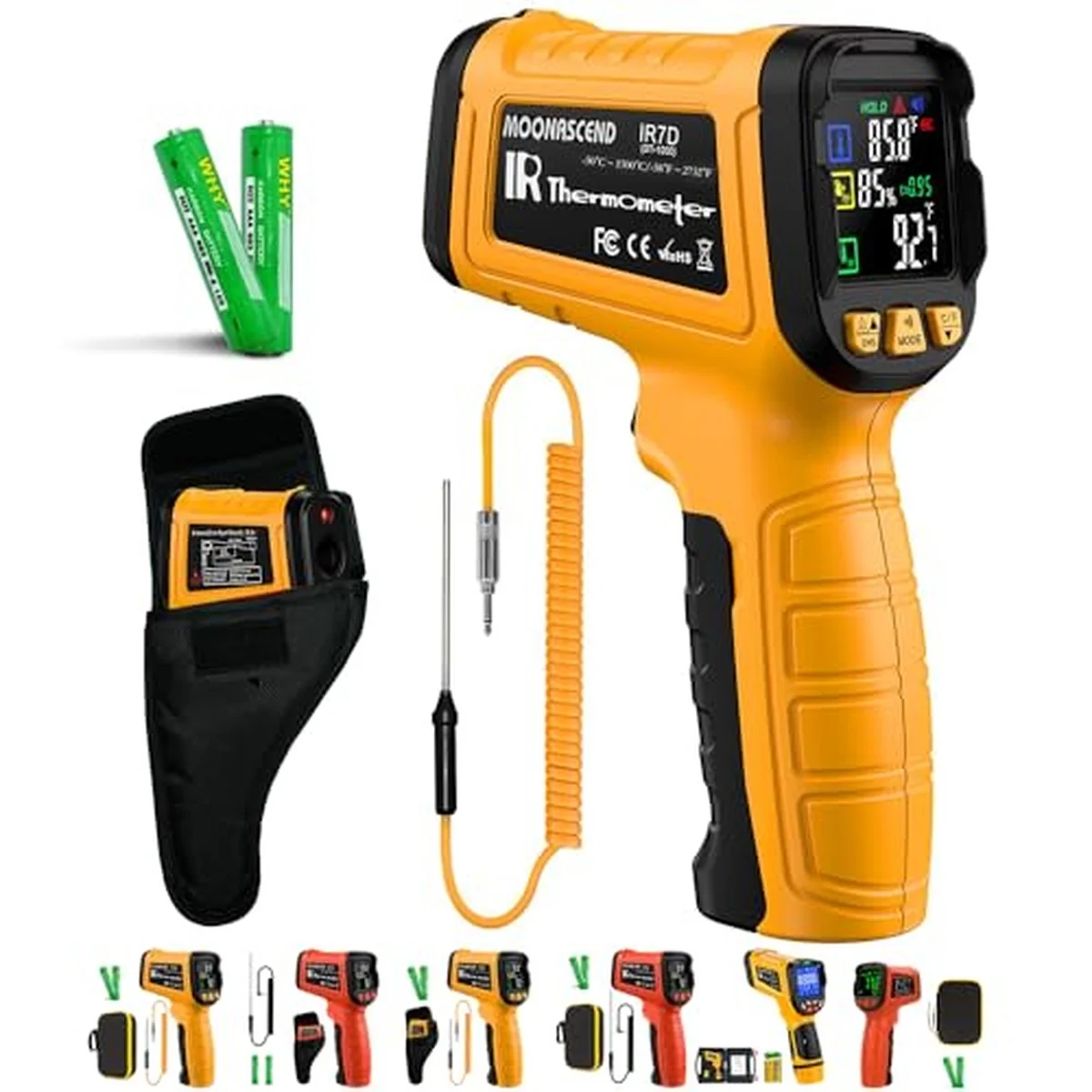
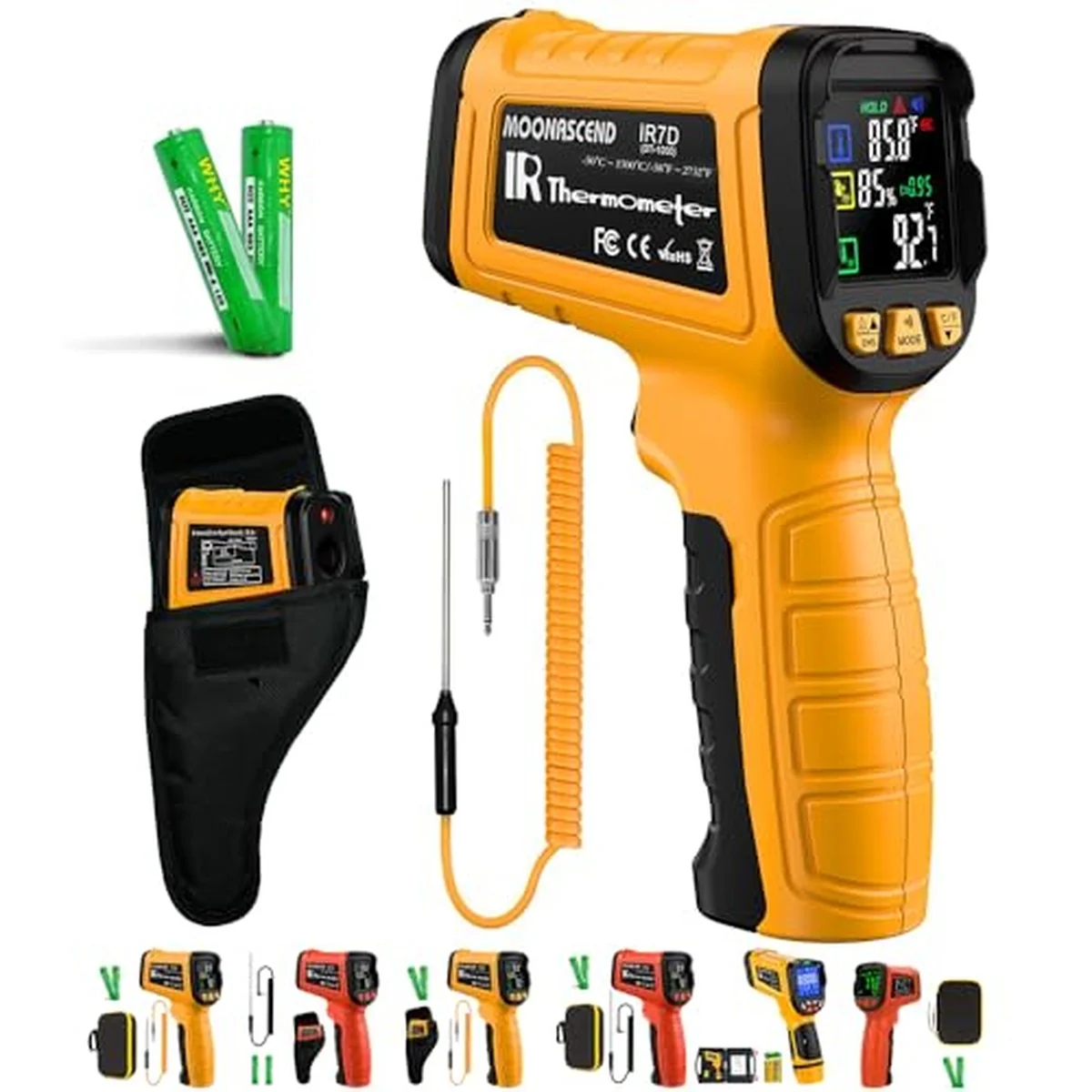
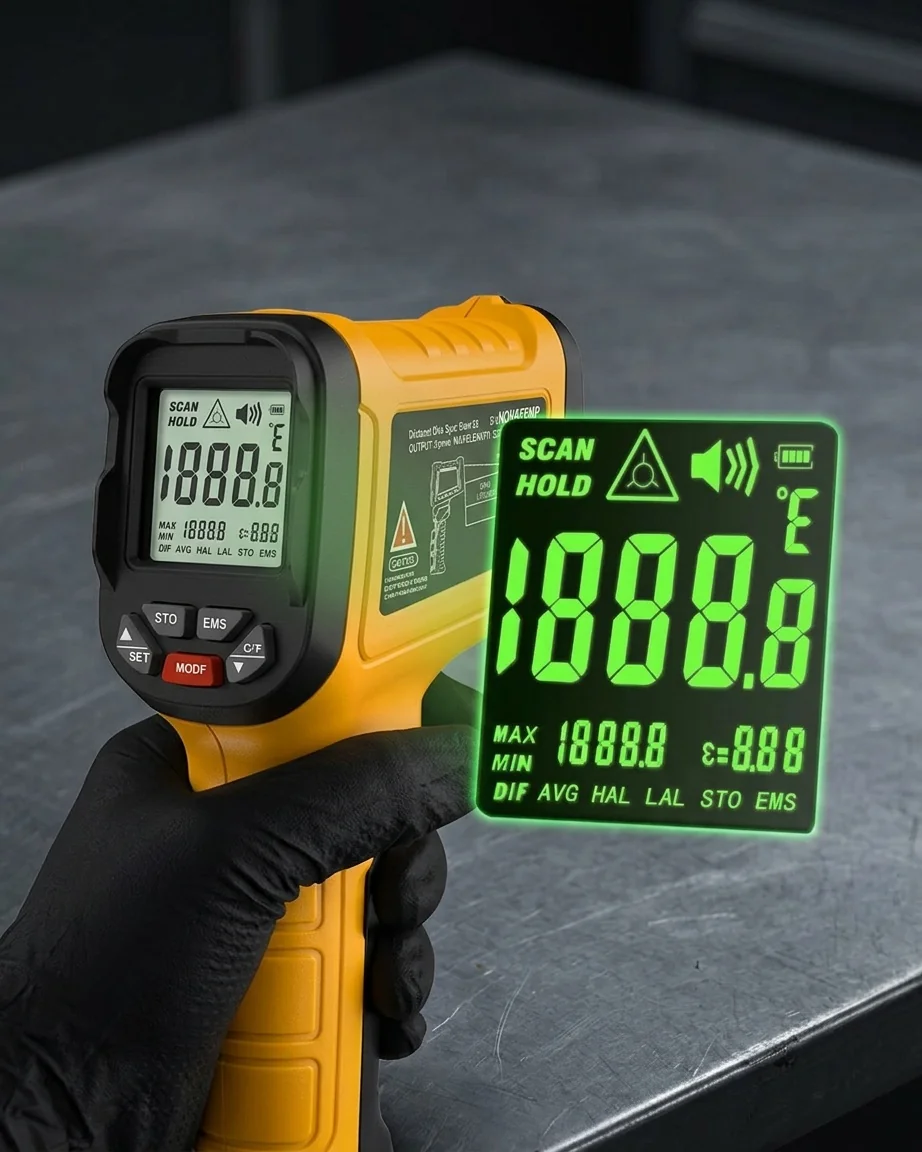
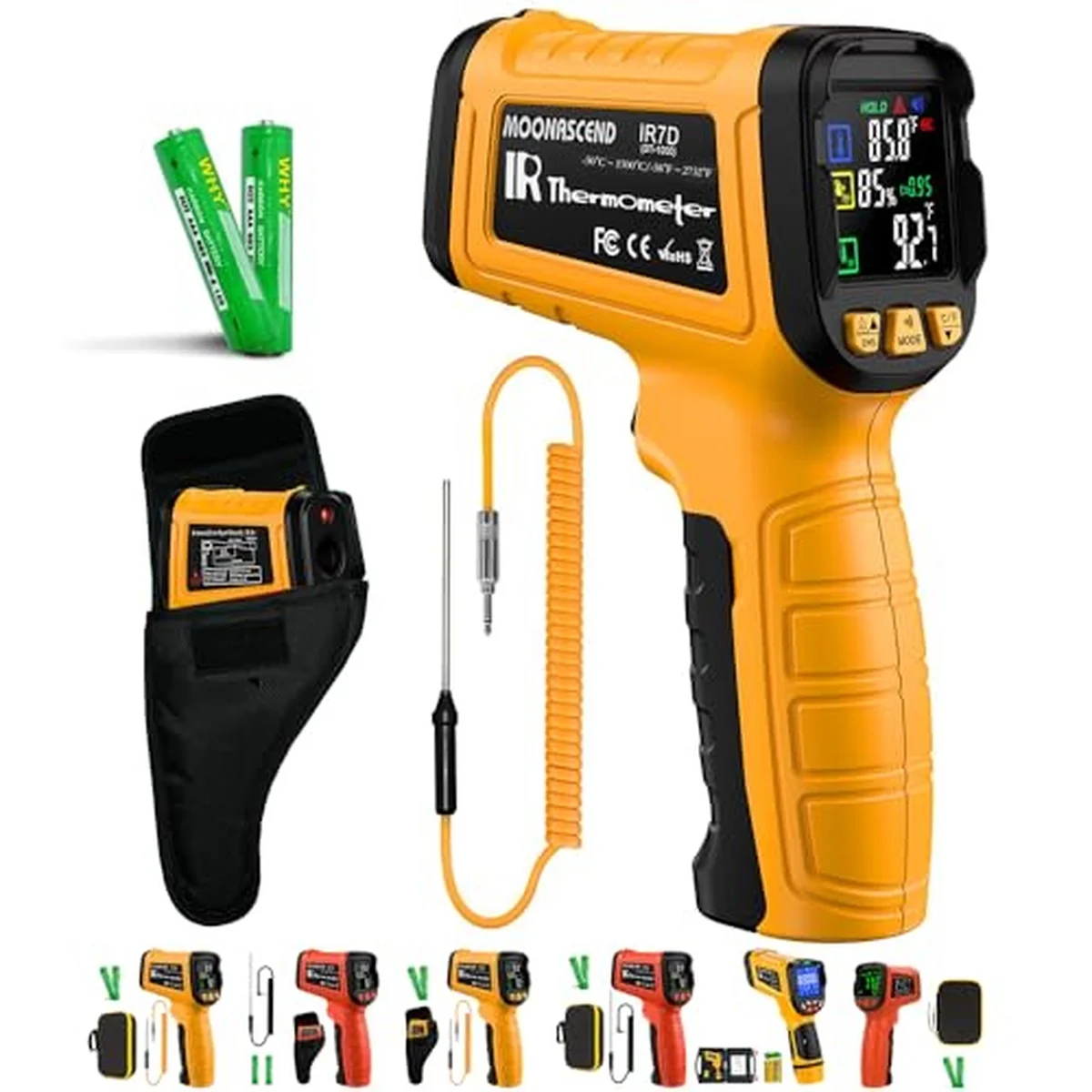
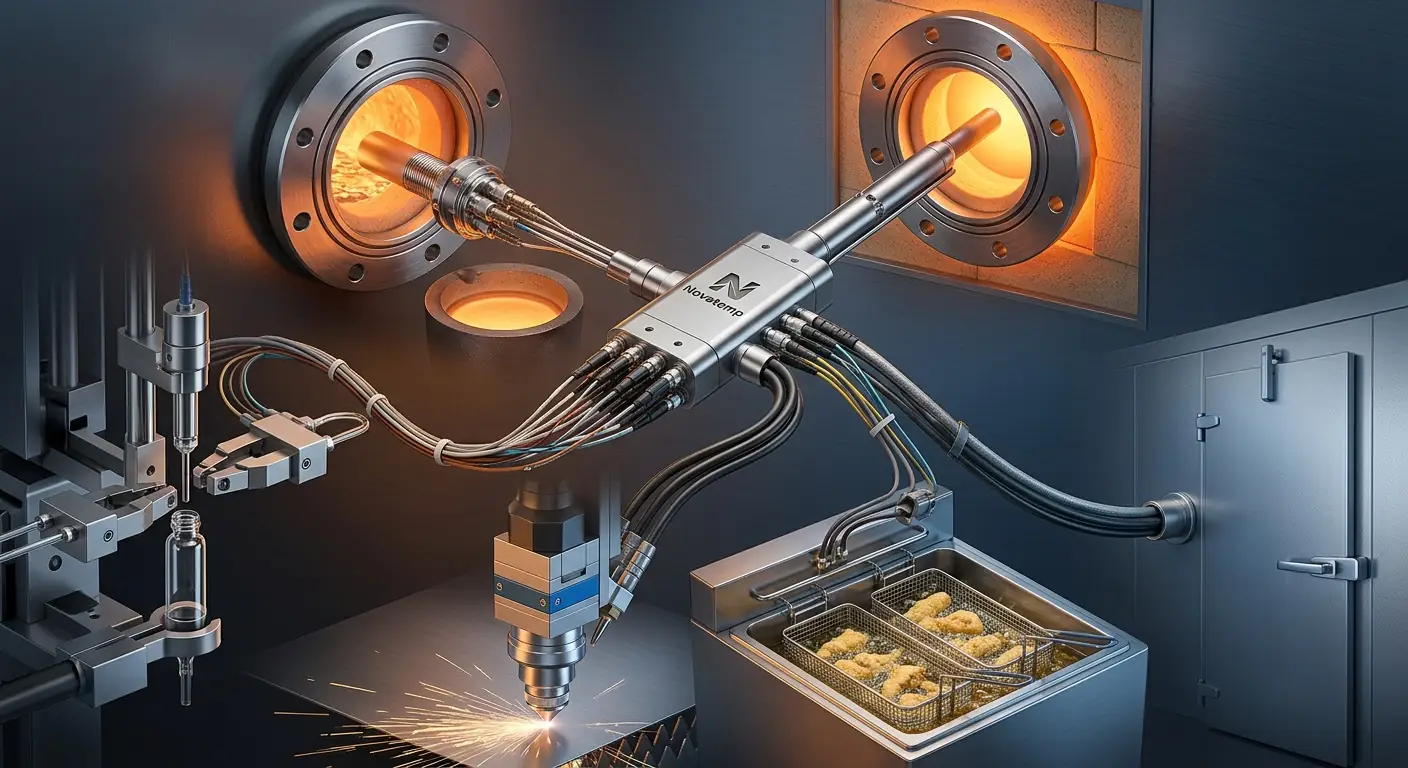
| Infrared Thermometer (Complementary) | NOVATEMP Infrared Temperature Gun | £126.13 | ±1.5°C | Non-contact to 500°C | HVAC, electrical, building diagnostics |
Key data point: Green beam lasers are now 3–4× more visible than red beam equivalents in daylight conditions. In 2026, there's almost no reason to buy red beam for indoor professional work unless budget is extremely tight.
My mate who fits kitchens across East Belfast swears by the DeWalt DW088CG. He's had his for two years, dropped it off a worktop twice, and it still holds calibration. That's the kind of durability that matters on a real job site — not lab specs.
How to Choose: Matching the Right Laser Tool to Your Work
Answering what is the best laser tool UK 2026 means understanding your actual workflow. Here's my decision framework after years of testing tools in compact spaces and on larger projects.
Indoor vs Outdoor Use
Indoor work under 30m? Cross-line laser, green beam, self-levelling. Sorted. Outdoor work or distances beyond 50m? You need a rotary with a detector. There's no shortcut here — cross-line lasers simply can't compete outdoors in bright conditions.
Accuracy Requirements
For tiling and general fitting, ±0.3mm/m is perfectly adequate. That's less than half a millimetre over a full metre — you won't notice it. For precision joinery or high-end installations, look for ±0.2mm/m or better. Rotary lasers for surveying should hit ±0.05mm/m minimum.
Battery Life and Power
Lithium-ion rechargeable units dominate in 2026. Expect 12–20 hours from a cross-line laser on a single charge. Some models now integrate with Milwaukee or DeWalt battery ecosystems — handy if you've already invested in a platform. If you're already running Milwaukee gear, their milwaukee bag with tools kits occasionally include laser accessories worth checking.
Self-Levelling Speed
Cheaper units take 4–6 seconds to self-level. Premium models do it in under 2 seconds. On a busy job where you're repositioning constantly, those seconds add up. Trust me on this one.
Build Quality and IP Rating
Look for IP54 minimum for trade use. That covers dust ingress and water splashes. IP65 or higher if you're working outdoors regularly. I've seen too many cheap lasers die from workshop dust alone.
Worth the extra spend? Almost always yes, if you're using it daily. For weekend DIY, a £130 unit will serve you brilliantly for years.
Complementary Measurement Tools That Pair with Laser Equipment
A laser level or measure rarely works alone. Here's what I keep in my kit alongside laser tools — and why temperature measurement matters more than most people realise., popular across England
Infrared Thermometers for Building Diagnostics
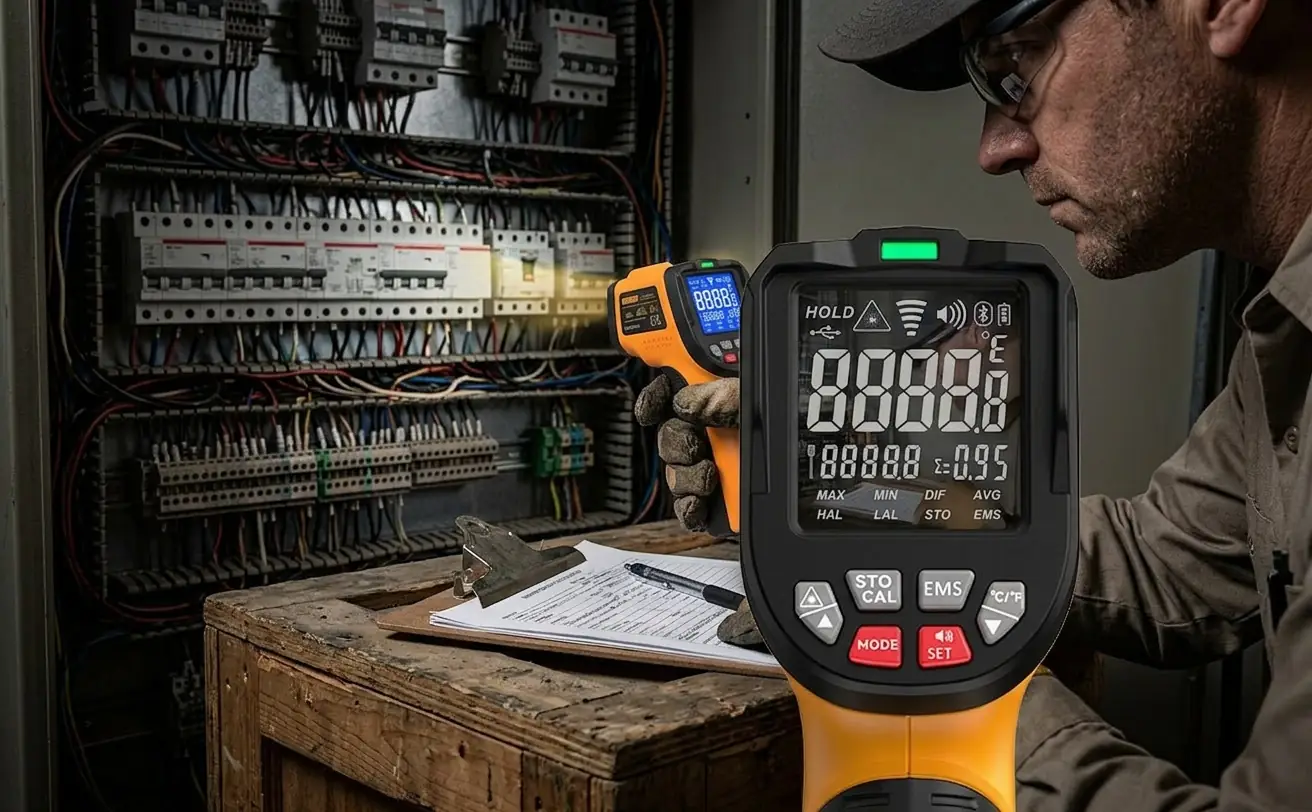
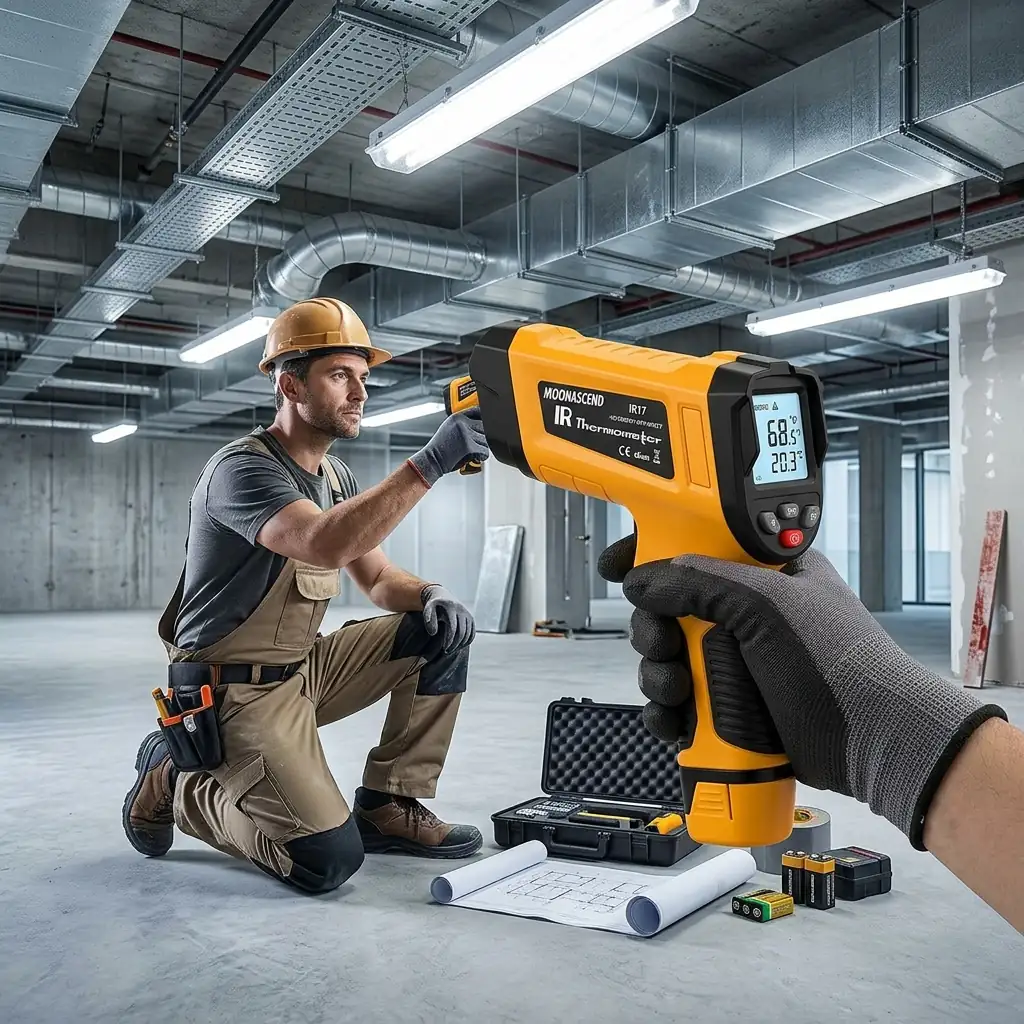
When you're levelling a floor or checking wall alignment, you're often also investigating damp, insulation gaps, or heating issues. A professional infrared thermometer like the NOVATEMP unit at £126.13 lets you spot cold bridges and moisture problems instantly. I use mine constantly in my Belfast terrace — these older properties have all sorts of hidden thermal issues behind the plaster.
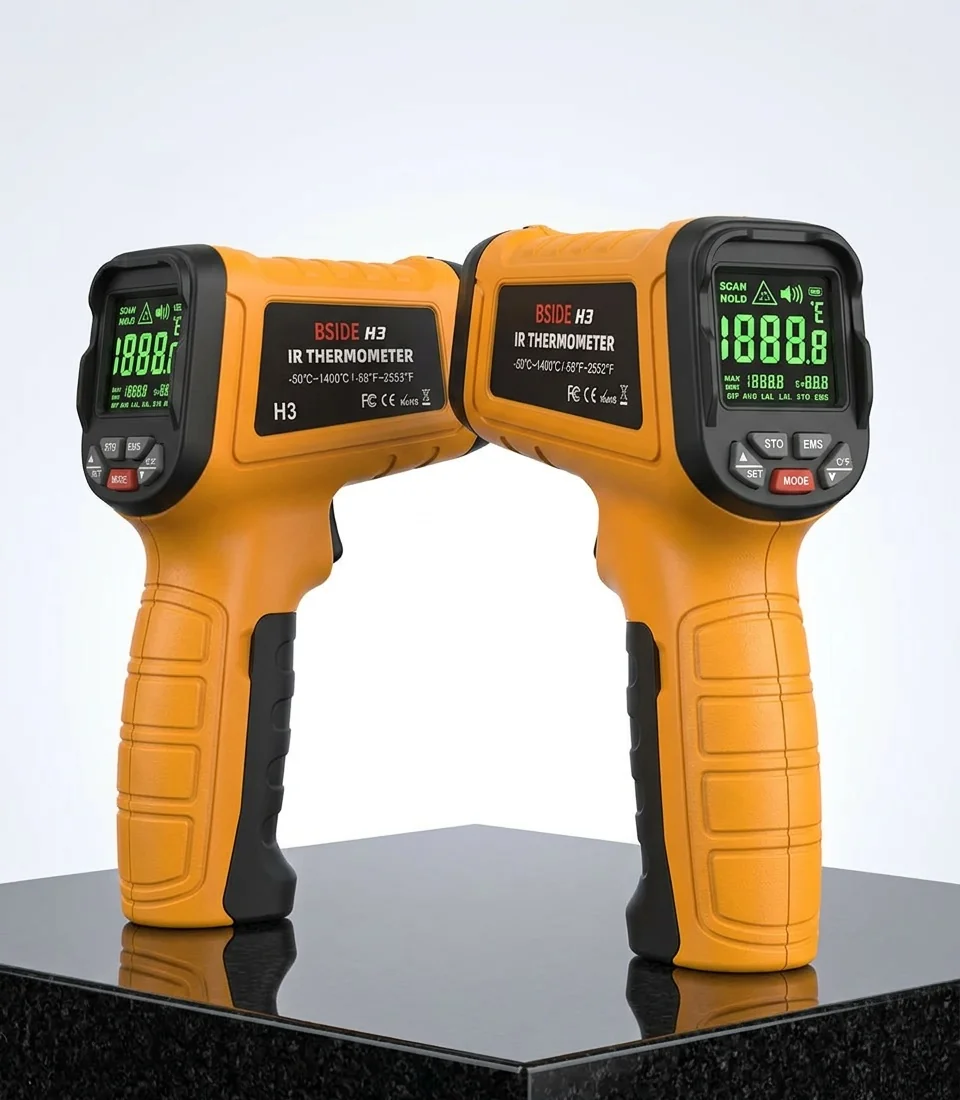
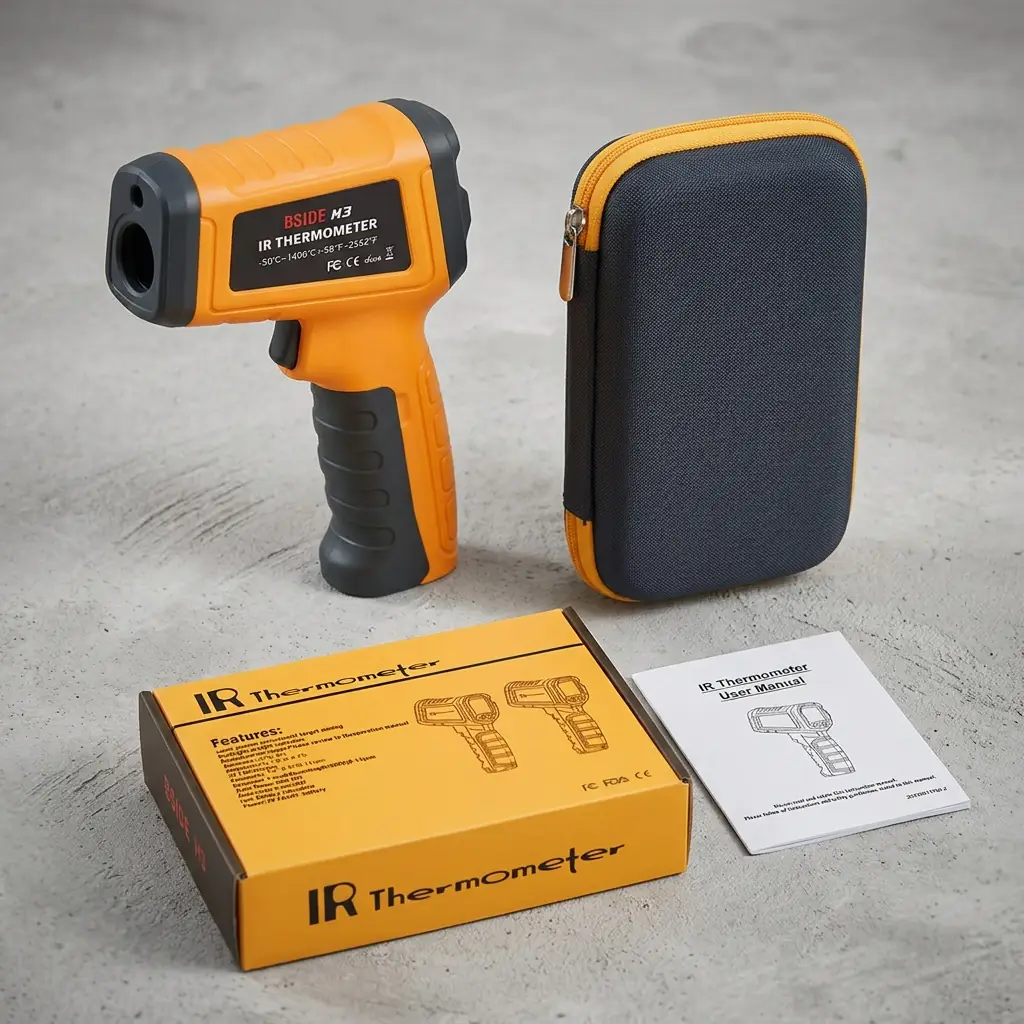
The BSIDE H3 temperature gun is another option worth a look if you need a cheap infrared thermometer UK buyers can rely on. For HVAC engineers specifically, having an infrared thermometer for hvac engineers UK rated tool is non-negotiable for commissioning work.
NOVATEMP Infrared Temperature Gun — £126.13 GBP
British-designed, free UK delivery, professional-grade accuracy. Ideal for pairing with laser tools on diagnostic jobs. Available with infrared thermometer UK next day delivery options.
Digital Levels and Inclinometers
For verifying laser readings on slopes or pitched surfaces. A decent digital level costs £40–£80 and provides angle measurements to 0.1°.
Environmental Sensors
Living in a compact terrace on Madrid Street, I've learned that indoor air quality, humidity, and temperature all affect building materials and measurement accuracy. An environmental sensor helps you understand whether conditions are right for precision work — or whether that timber's going to move once the heating kicks in.
The data security and protection toolkit principles also apply to modern connected measurement tools. If your laser level connects via Bluetooth to log measurements, make sure the app follows proper data handling practices — particularly on commercial sites where client data matters.
UK Safety Standards and Regulations for Laser Tools
Laser tools sold in the UK must comply with specific safety classifications. This isn't optional — it's a legal requirement under the Supply of Machinery (Safety) Regulations.
Laser Classifications
Most construction lasers fall into Class 2 (visible beam, safe for momentary exposure) or Class 3R (slightly higher power, requires more caution). Class 2 is standard for cross-line and rotary lasers under 1mW output. The Health & Safety Executive (HSE) provides detailed guidance on workplace laser safety requirements, including risk assessments for Class 3R and above.
CE/UKCA Marking
Since January 2025, all laser tools sold in Great Britain require UKCA marking. Products with CE marking alone are no longer sufficient for the GB market (Northern Ireland follows different rules under the Windsor Framework). Check for this before buying — especially from marketplace sellers.
The British Standards Institution (BSI) maintains the relevant standards including BS EN 61326-1 for electromagnetic compatibility of measurement equipment. Quality laser tools from reputable manufacturers will reference these standards in their documentation.
Calibration and Accuracy Verification
Professional users should recalibrate laser tools annually. Most manufacturers offer calibration services for £30–£60. For critical work — structural surveys, boundary measurements — calibration certificates may be required. The Trading Standards framework covers measurement accuracy requirements for commercial applications.
I know calibration sounds like a hassle. But I've seen a laser that was 2mm out at 10m cause a kitchen fitter to remake an entire run of units. That's a £400 mistake from skipping a £40 service.
Frequently Asked Questions
What is the best laser tool UK 2026 for general trade use?
For general trade use in 2026, the Bosch GLL 3-80 CG offers the best balance of accuracy (±0.2mm/m), range (30m indoor, 120m with receiver), and durability (IP54 rated). At £280–£320, it's a serious investment but covers virtually every indoor trade task. Budget alternative: DeWalt DW088CG at £130–£160 with ±0.3mm/m accuracy.
Are green beam lasers worth the extra cost over red beam?
Yes, green beam lasers are 3–4 times more visible than red in typical indoor lighting conditions. The price premium has shrunk to just 15–25% in 2026, making green beam the default choice for professional work. Red beam units still make sense for budget-conscious DIY users working in controlled lighting environments only.
How often should I calibrate my laser level?
Professional users should calibrate annually or after any significant impact or drop. Calibration typically costs £30–£60 through manufacturer service centres. For critical applications like structural surveys, six-monthly calibration is recommended. Most quality lasers maintain accuracy for 12–18 months under normal trade conditions.
Can I use a cross-line laser outdoors?
Cross-line lasers work outdoors only at short range (under 10m) or in overcast conditions. For reliable outdoor use beyond 15m, you need a rotary laser with a detector. Green beam cross-lines perform better than red outdoors, but neither replaces a proper rotary unit for site work in direct sunlight.
Do I need a laser tool and an infrared thermometer for building surveys?
For thorough building diagnostics, yes. A laser measure handles dimensions and distances, while an infrared thermometer like the NOVATEMP at £126.13 identifies thermal anomalies — cold bridges, damp areas, insulation failures. Together they cost under £150 and cover both geometric and thermal assessment needs.
What IP rating should a laser tool have for construction site use?
IP54 is the minimum for construction environments — protecting against dust ingress and water splashes. For outdoor groundworks or wet trades (plastering, concreting), IP65 or IP67 provides full dust protection and resistance to low-pressure water jets. Budget lasers often lack proper IP ratings entirely, which limits their working life significantly.
Key Takeaways
- What is the best laser tool UK 2026 depends on your specific trade — cross-line for indoor fitting (£130–£320), rotary for outdoor surveying (£900+), laser measure for dimensions (£90–£120).
- Green beam is now standard — 3–4× more visible than red, with only a 15–25% price premium in 2026.
- Accuracy of ±0.3mm/m suits 90% of trade work — only precision joinery and surveying demand better.
- Annual calibration (£30–£60) prevents costly mistakes — a 2mm error at 10m can ruin an entire installation.
- IP54 minimum for any professional environment — dust alone kills unrated laser tools within months.
- Pair laser tools with infrared thermometers for building diagnostics — the NOVATEMP at £126.13 covers thermal assessment without breaking the budget.
- UKCA marking is mandatory for GB sales since January 2025 — verify compliance before purchasing from marketplace sellers.
Ready to try NOVATEMP?
Shop Now — £126.13